 THUY Handmade
In recent years, Vietnam has garnered global attention for its diverse and high-quality export products. Among these, Vietnamese sedge products have emerged as a noteworthy example of how traditional craftsmanship can be harmoniously integrated with modern consumer demands. This article delves into the unique characteristics of Vietnam sedge products, their significance in both local and international markets, and the innovative strides being made to enhance their appeal.
What Are Vietnam Sedge Products?
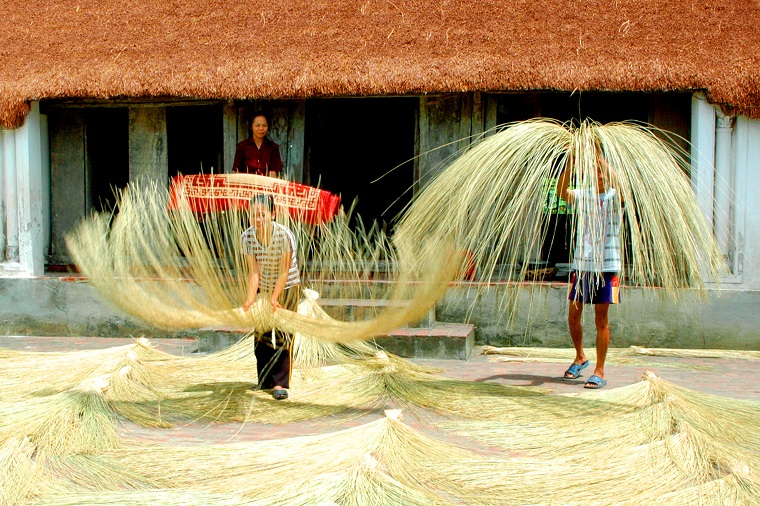
Sedge, a type of grass-like plant, has been utilized in Vietnam for centuries. Known for its durability and flexibility, sedge is an ideal material for crafting a variety of products. Traditionally, Vietnamese artisans have used sedge to create woven items such as mats, baskets, and hats. These products not only serve practical purposes but also reflect the rich cultural heritage of the country.
Cultural Significance
In Vietnam, sedge weaving is more than just a craft; it’s a vital aspect of cultural identity. Each product carries the story of the artisans and their communities, embodying techniques passed down through generations. The intricate designs and craftsmanship reflect a deep connection to Vietnamese traditions and lifestyles. For instance, the iconic sedge mats used in many Vietnamese households are not only functional but also hold cultural significance, often being associated with hospitality and familial bonds.
Modern Innovations and Market Trends
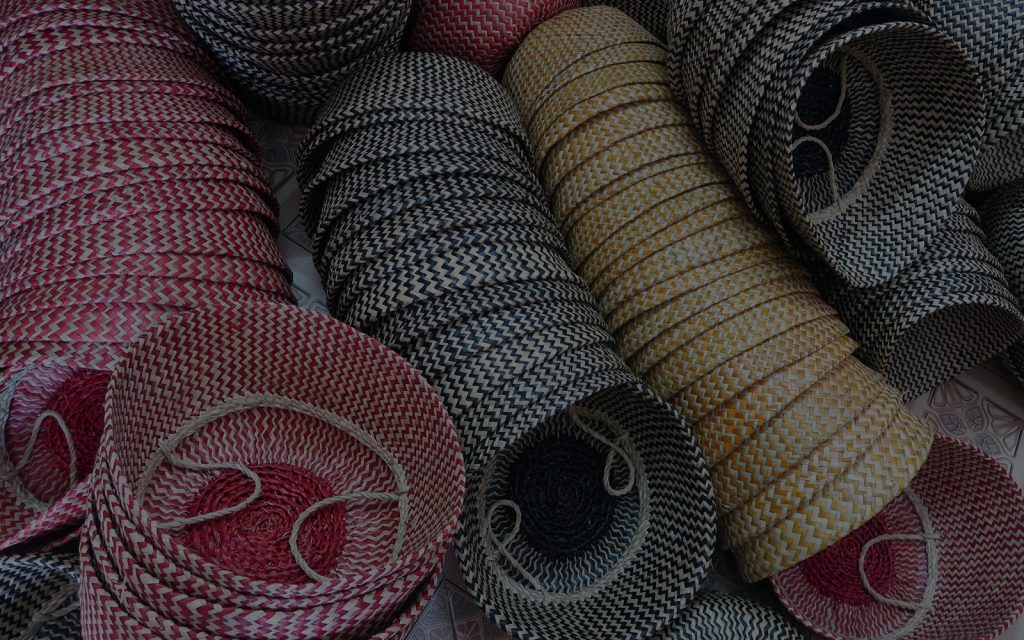
The global demand for sustainable and eco-friendly products has breathed new life into the sedge industry. Modern Vietnamese artisans are now blending traditional weaving techniques with contemporary design trends to create products that appeal to international markets. This fusion of old and new has led to a diverse range of sedge items, from stylish home décor to practical everyday items.
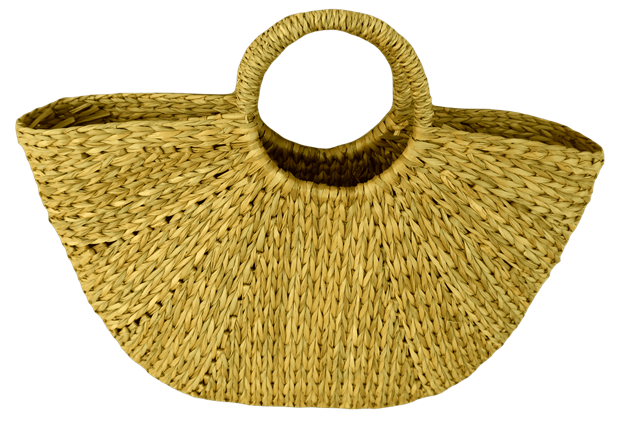
One notable innovation is the use of sedge in high-end fashion and interior design. Designers have recognized the unique texture and aesthetic of sedge, incorporating it into products such as handbags, rugs, and decorative pieces. This trend not only highlights the versatility of sedge but also opens up new avenues for Vietnamese artisans to showcase their skills on a global stage.
Economic Impact and Sustainability
The growth of the sedge product market has had a positive impact on local economies in Vietnam. By creating job opportunities and supporting traditional crafts, the industry plays a crucial role in rural development and poverty alleviation. Additionally, the use of natural sedge aligns with global sustainability goals, offering an eco-friendly alternative to synthetic materials.
Furthermore, efforts are being made to ensure the sustainability of sedge farming. Organizations and artisans are focusing on responsible harvesting practices and exploring ways to improve the durability and quality of sedge products. This commitment to sustainability not only benefits the environment but also enhances the marketability of Vietnamese sedge items.
Conclusion
Vietnam sedge products are a testament to the country’s rich cultural heritage and its ability to adapt to modern trends. The combination of traditional craftsmanship and innovative design has positioned Vietnamese sedge items as desirable products in the global market. As the industry continues to evolve, it holds promise for further economic development and increased international recognition.
Whether you are a consumer looking for unique and sustainable products or an enthusiast of traditional crafts, Vietnamese sedge products offer a compelling blend of history, artistry, and modern appeal. As we look to the future, the continued success of this industry will undoubtedly be shaped by its ability to honor tradition while embracing innovation.