 THUY Handmade
In an age dominated by digital communication and mass production, the allure of handmade paper persists as a testament to craftsmanship, creativity, and sustainability. Creating paper by hand not only connects us to centuries-old traditions but also allows for personal expression and experimentation with materials. Let’s delve into the art of handmade paper, exploring its history, techniques, and modern-day applications.
A Journey Through History
Handmade papermaking dates back to ancient China, where it was invented around 105 AD. Over time, the technique spread across Asia and reached Europe by the 12th century, revolutionizing communication and preserving knowledge through books and manuscripts. Today, handmade paper retains its cultural significance and artistic appeal, celebrated for its unique textures and individuality.
The Papermaking Process
1. Preparation of Materials:
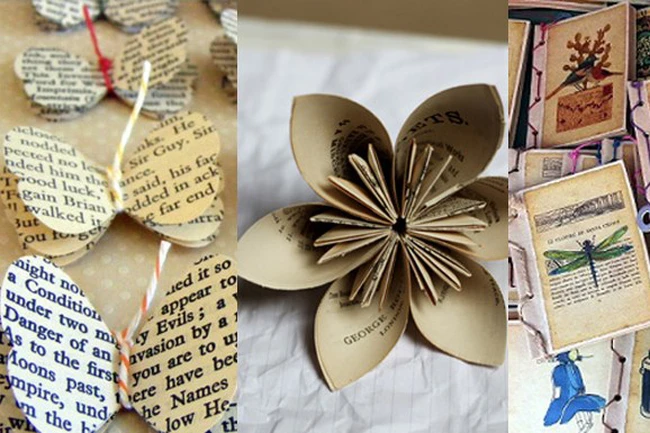
Handmade paper can be crafted from various natural fibers such as cotton, linen, hemp, or even recycled materials like old newspapers and plant fibers. These materials are soaked, boiled, and beaten into a pulp to break down their fibers and create a fibrous mixture.
2. Formation of Sheets:
The pulp is then poured into a vat of water, forming a suspension. A mould and deckle—a frame with a screen—are used to scoop the pulp mixture, allowing water to drain through the screen while retaining a layer of fibers on the surface. This forms a sheet of paper.
3. Pressing and Drying:
The wet sheet of paper is transferred onto a felt or cloth, layered with additional sheets to form a stack (or “post”). This stack is pressed to remove excess water and compact the fibers. The pressed sheets are then carefully peeled off and dried either by air drying or using a drying apparatus.
4. Finishing Touches:
Once dried, the handmade paper may undergo additional treatments such as sizing (to improve ink absorption), pressing under weights for smoothness, or decorating with natural dyes, inclusions (like flower petals or threads), or surface textures.
Artistic Potential and Applications
1. Creative Expression:
Handmade paper serves as a canvas for artistic expression. Artists and crafters can experiment with colors, textures, and additives to create unique papers suited for various applications—from fine art painting and calligraphy to bookbinding and mixed media collages.
2. Sustainable Practices:
Handmade papermaking promotes sustainability by utilizing natural and recycled materials. It reduces dependency on industrial paper production processes that can be resource-intensive and environmentally impactful. Additionally, the artisanal nature of handmade paper supports local craftsmanship and community engagement.
3. Personalized Gifts and Stationery:
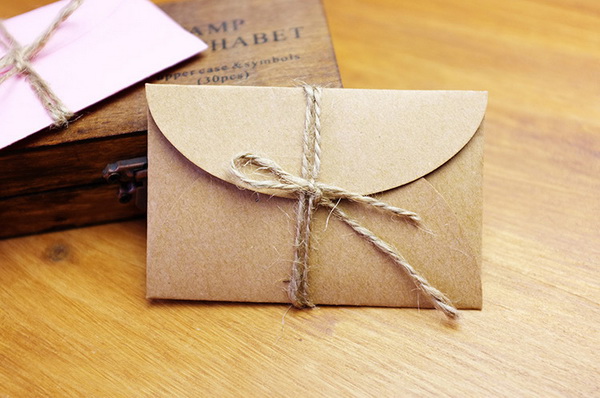
Handmade paper adds a personal touch to gifts, invitations, and stationery. Its tactile quality and bespoke appearance convey thoughtfulness and uniqueness, making each piece a cherished keepsake.
Embracing the Craft
Engaging in handmade papermaking is not only a creative endeavor but also a meditative and educational experience. It encourages appreciation for natural materials, patience in craftsmanship, and a deeper connection to the traditions of artisans throughout history.
Conclusion
Handmade paper embodies the intersection of artistry, history, and sustainability. As you embark on your own papermaking journey—whether as a hobbyist, artist, or educator—remember the rich heritage and endless possibilities that handmade paper offers. Each sheet crafted by hand tells a story of creativity and dedication, inviting us to explore, create, and preserve the beauty of this ancient craft in our modern world.