 THUY Handmade
Glass, with its timeless allure and versatility, has captivated artisans and collectors alike for centuries. While mass production has become prevalent in modern times, the art of crafting handmade glass remains a cherished tradition celebrated for its craftsmanship, uniqueness, and artistic expression. Let’s explore the world of handmade glass, its techniques, and the allure it holds in today’s world.
A Tradition of Craftsmanship
Handmade glassmaking is an ancient art that spans cultures and civilizations. Dating back thousands of years, artisans have refined techniques to create stunning glass objects, from delicate vessels to intricate sculptures. Each piece carries with it a legacy of skill and tradition, often passed down through generations of glassmakers.
Techniques and Processes
1. Glassblowing:
Arguably the most iconic technique, glassblowing involves heating glass until it reaches a molten state and then shaping it using a blowpipe and various tools. Artisans skillfully manipulate the glass’s form and texture, creating everything from simple cups to elaborate sculptures. This method requires precision, dexterity, and an intimate understanding of the glass’s behavior under heat.
2. Kiln-Formed Glass:
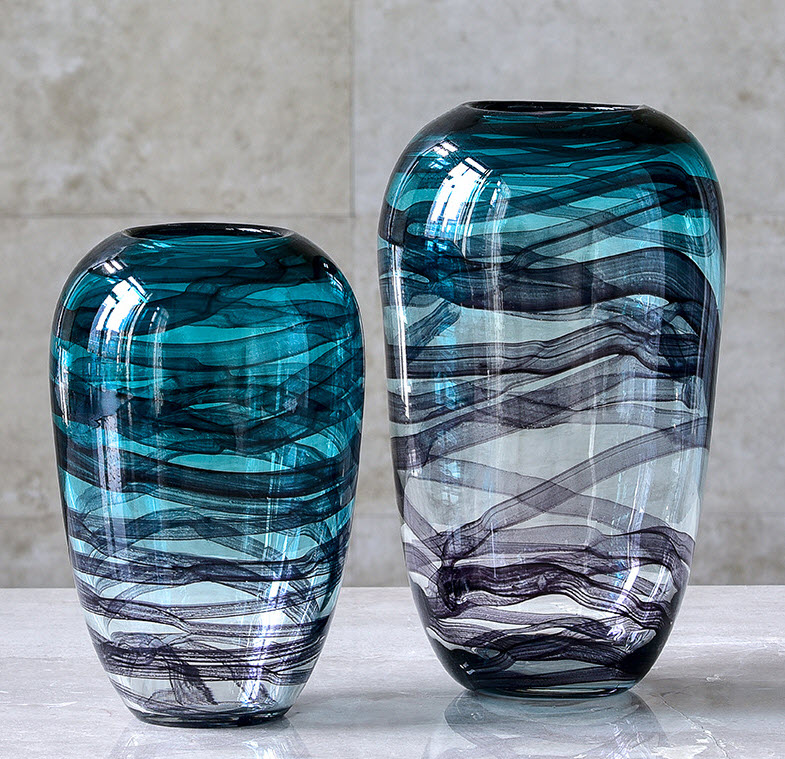
Also known as fused glass, this technique involves heating multiple pieces of glass until they fuse together in a kiln. Artists can layer colored glass, add textures, and shape the material into bowls, plates, jewelry, and decorative art pieces. Kiln-formed glass allows for intricate designs and vibrant color combinations.
3. Lampworking:
In this technique, artisans use a torch to melt and shape glass rods and tubes. Lampworking is ideal for creating detailed figurines, beads for jewelry, and small sculptures. It requires meticulous control over temperature and precise movements to achieve desired shapes and intricate designs.
The Artisan’s Touch
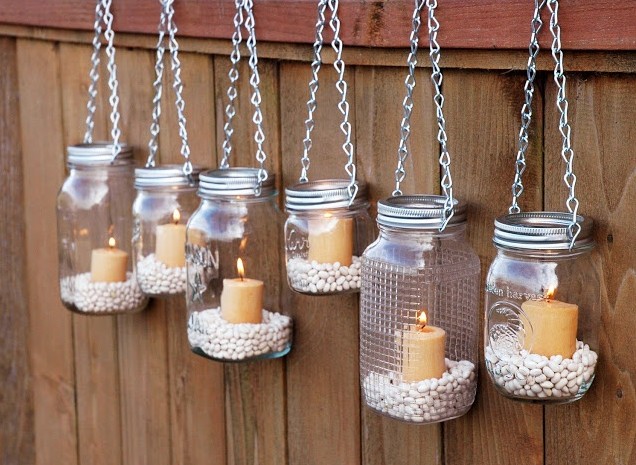
What distinguishes handmade glass from mass-produced counterparts is the artisan’s touch—a unique blend of skill, creativity, and passion infused into each creation. Unlike factory-made glassware, handmade pieces often exhibit slight variations in color, shape, and texture, adding to their charm and authenticity.
Applications and Appeal
1. Functional Art:
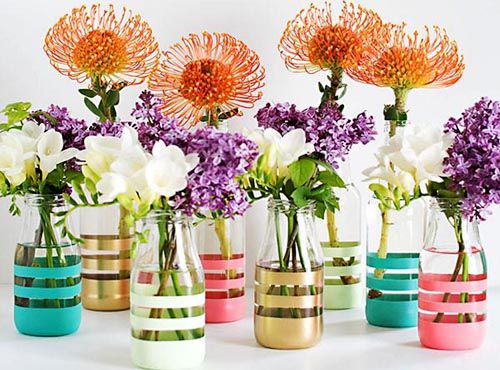
Handmade glassware serves both practical and aesthetic purposes. From elegant drinking glasses and vases to ornate bowls and serving platters, these pieces enhance everyday rituals and special occasions with their beauty and craftsmanship.
2. Decorative Art:
Sculptural and decorative glass pieces serve as focal points in home décor and public spaces. Whether it’s a captivating glass sculpture or a mosaic-like fused glass wall panel, these artworks contribute to the ambiance of any environment, reflecting light and color in captivating ways.
3. Collectible Treasures:
Handmade glass has enduring appeal among collectors who value its artistic merit, craftsmanship, and often limited availability. Collectors seek out pieces from renowned glass artists and studios, appreciating the stories and techniques behind each creation.
Preserving Tradition and Innovation
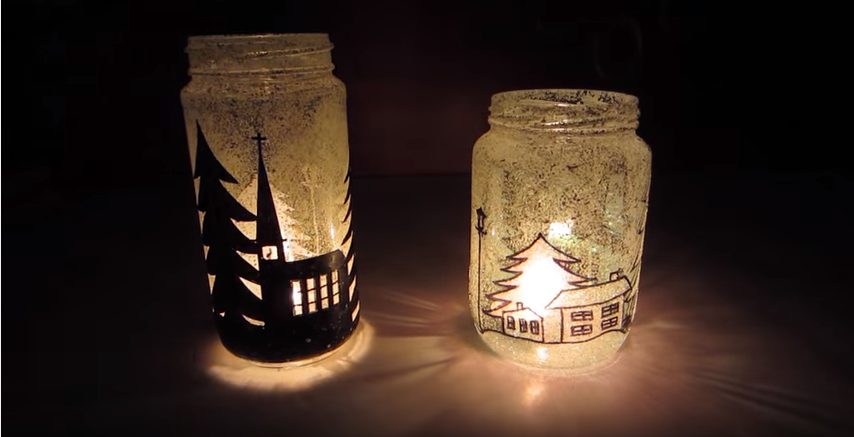
In an increasingly digital and fast-paced world, the creation of handmade glass embodies a connection to tradition, craftsmanship, and artistic expression. Artisans continue to innovate, blending traditional techniques with contemporary designs and sustainable practices. This fusion ensures that handmade glass remains relevant and cherished by enthusiasts worldwide.
Conclusion
Handmade glass stands as a testament to human creativity and ingenuity, transcending mere utility to become objects of beauty and cultural significance. Whether you’re drawn to its rich history, mesmerized by the process, or simply captivated by its aesthetic appeal, handmade glass invites us to appreciate the artistry and dedication behind each piece. As you explore this world of craftsmanship, consider the stories embedded in each delicate swirl of color and the passion that shapes every molten drop.